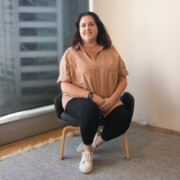

The All is for All team was in full force at NZ Fashion Week again this year. In this article, Talent Manager Natalie writes about her experience.
The week kicked off with a vibrant live casting at Westfield Newmarket, giving models the opportunity to step into the spotlight and show the panel what they were made of. Six of our models took part, bringing their best runway poses to the panel. The NZFW team thoughtfully ensured the casting was accessible, featuring ramp access to the raised catwalk. Walking that elevated stage gave our models a genuine taste of what was possible, instilling a sense of confidence and power as they strutted their stuff in hopes of being cast in Aotearoa’s premier fashion event.
While the casting was the main focus of the morning, it also offered a wonderful space for our diverse group of gorgeous models to connect – and a welcome chance for me to catch up with them in person! It felt like a joyful morning out among friends; everyone was cheering each other on, creating an atmosphere that was deeply uplifting. That is the true hallmark of All is for All models: they approach every opportunity with immense gratitude, embracing each step of the journey with warmth, grace, and pure excitement.
A few weeks later, we received word from fashion stylist and creative consultant Courtney Joe that three of our six models had been selected for NZFW shows. While that number might sound modest to an outsider, having half of our casting group selected is an extraordinary achievement. We couldn’t have been prouder of the dedication and effort every single model put in.
Then came the bustle of preparation! Model bookings were confirmed, wardrobe fittings scheduled, and travel and accommodation arranged, all while we worked closely with the NZFW team to ensure every model’s accessibility requirements were seamlessly supported.
As Fashion Week arrived, finalising call times became the top priority. Punctuality is everything in this environment, with models often arriving two to four hours before a show to allow time for hair, makeup, and line-up preparation.
Miriana and Chelsea walked in the Graduate and Future of Fashion shows, both produced by NZFW. The Graduate show highlights the bold work of design graduates, offering them a vital foot in the door and real-world experience in a high-stakes environment. Similarly, Future of Fashion provides a platform for emerging talent to present their vision to a broader audience. Both shows are rooted in opening doors for the next generation of New Zealand fashion.
Later in the week, Chelsea and Molly took to the runway for NZFW’s closing shows: Viva’s Greatest Hits Vol. 1 and 2. These shows are vibrant, energetic, and consistently sell out—making them the ideal stage to showcase diversity and bring authentic disability representation to the forefront. What made Chelsea and Molly’s inclusion even more special is that this marked their third and second year, respectively, walking in this show. They have become familiar, celebrated faces in a key fixture of the fashion calendar, bringing essential visibility to a space where disabled models are still far too rare.
Why does disability representation on the catwalk matter so profoundly? Because one in four people globally live with a disability—whether they are a wheelchair user, Deaf, neurodivergent, or living with a chronic illness like endometriosis. Disability is vast and varied, and reflecting that richness on the runway sends a powerful message. It demonstrates that disabled people belong in fashion—that we are seen, valued, and integral. It signals that designers and stylists recognise the cultural shift they are helping to lead.
Yet beyond the cultural impact lies an undeniable commercial opportunity: the purple dollar. The combined spending power of disabled people and their families represents billions in an untapped market that remains largely overlooked. Imagine the statement—and the success—if an individual designer hosted a show featuring exclusively disabled models, celebrating a diverse spectrum of body types and access needs. The impact would be immense. The disabled community is fiercely loyal to brands that genuinely embrace and represent us.
Every year, the team at NZFW welcomes our models with open arms, offering opportunities that are deeply meaningful not only to our models and All is for All, but to the wider community. Moving forward, we want to see individual designers and brands take up this mantle—casting more disabled models on the runway and in major campaigns. The potential of the purple dollar is ready and waiting; it simply requires the fashion industry to open its doors to true, unconditional inclusion.
Photo: Michael Craig.