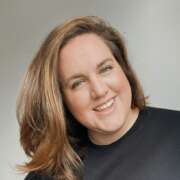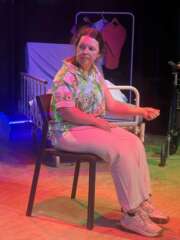
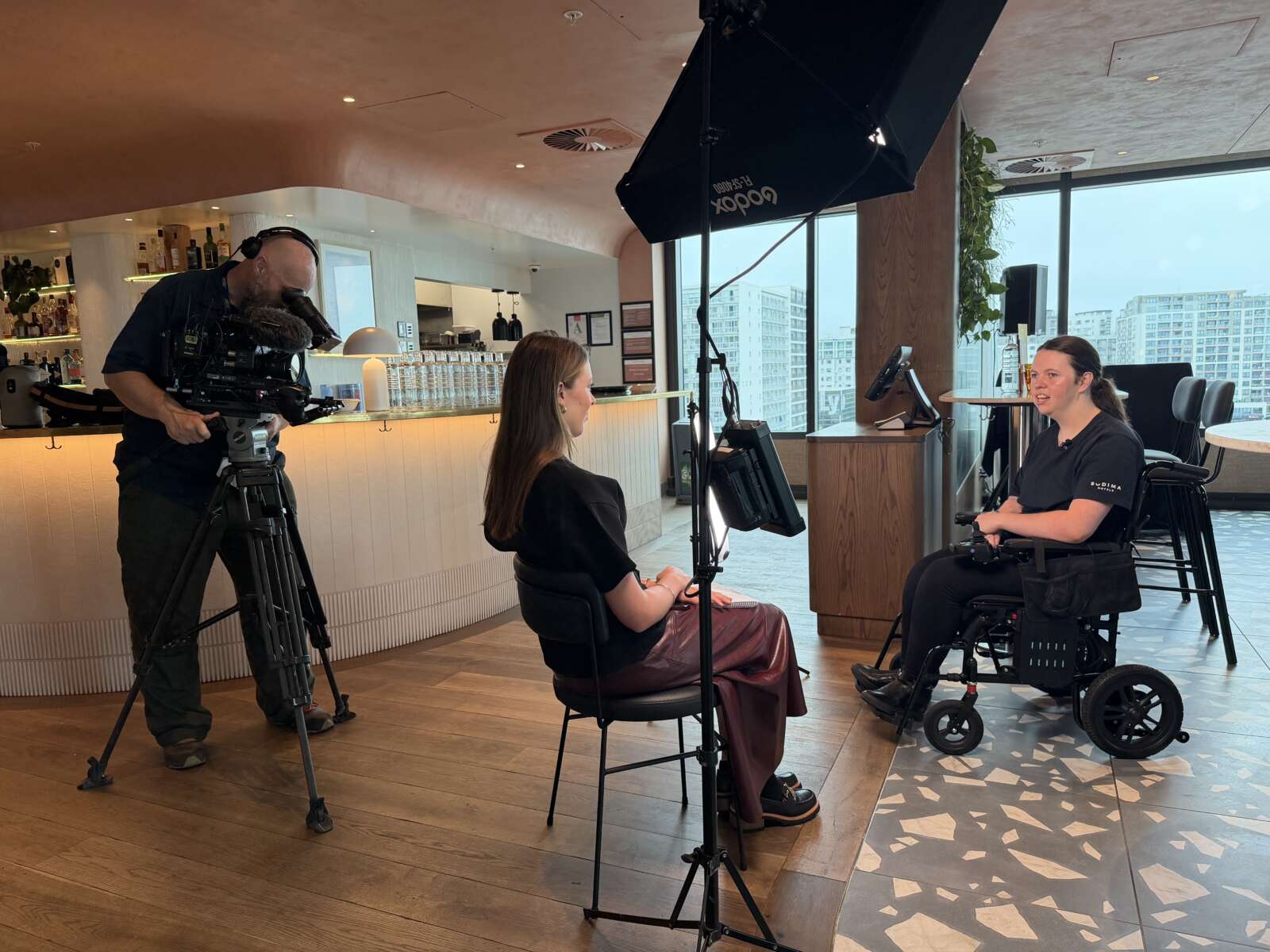
I’m Zoe Elvin, and I’m 21 years old. I live on a farm in South Auckland with my family and a whole lot of different animals, including cats, dogs, horses, cows, and chickens. My true love is theatre and performing.
When I was five and a half years old, I had a life-changing stroke that left me with right-side hemiplegia, which causes weakness down the right side of my body. I use a gutter frame walker to get around at home and in the community, and I also use a powered wheelchair for work or when I need to be active for longer periods.
Growing up, my mum always told my younger sister and me that "sitting around doing nothing isn't going to help you in the long term, or even the short term." I've always carried that advice with me. After leaving school in 2025, however, I discovered just how difficult it can be to find work when you have a disability. Despite wanting to work and being willing to learn, I often struggled to even get an interview once employers knew about my disability.
That experience has shaped my belief that disabled people deserve more employment opportunities, not because employers should feel sorry for us, but because we bring valuable skills and perspectives to the workplace. Living with a disability means we spend every day adapting, solving problems, and finding different ways to achieve our goals. Those are strengths that can benefit any team.
Of course, every disability is different. Not everyone can do the same job, just as not every able-bodied person can. Someone with a physical disability may not be suited to physically demanding work but could thrive in administration, customer service, the creative industries, or public speaking. Someone with an intellectual disability may excel in areas such as creativity, attention to detail, following routines, or encouraging others. The key is recognising people's individual strengths instead of making assumptions based on their disability.
Unfortunately, many employers still see disability as a health and safety risk or assume a disabled person won't be able to perform the job. In many cases, the issue isn't the person's ability, it's that employers don't know how to make reasonable adjustments. When an existing employee becomes disabled, businesses usually look at ways to adapt their role rather than replacing them. I believe more employers should take that same approach when hiring disabled applicants.
One experience that gave me hope was completing the Open Doors Internship with Sudima Hotels. Although the internship lasted only six weeks, it gave me the opportunity to develop new skills and grow in confidence. From the moment I arrived, I felt welcomed, included, and valued. My ideas were listened to, and I felt like part of the team.
What stood out most was seeing that Sudima doesn't just offer internships, they genuinely employ disabled people. If an intern is the best person for an available role, they are considered just like anyone else. Experiences like this show what inclusive employment can look like when employers focus on people's abilities rather than their disabilities.
Through my work with Glass Ceiling Arts Collective, I've also had opportunities in the performing arts, which has helped me build confidence, develop communication skills, and connect with many different people. I got to work with Jackie Clarke, and before I met Jackie, I went to an event when I was about 14, and she was the guest speaker, and she said, ‘Don’t just think that you will make a living out of acting. Most of the time you are working for not much pay and you are constantly auditioning for roles.’ That stuck with me. Then, roughly five years later, I was playing her daughter in Spark Live. I toured with Spark Live from early 2024 to late 2025. It was an unreal experience. I got to perform all over Northland, at the Hamilton and Auckland Arts Festivals, and got to go down to Christchurch and perform for a whole week. I was lucky enough to do this while still enrolled at school.
After Spark Live, I also worked as a multi-sensory artist with Glass Ceiling Arts Collective, helping run workshops for people with intellectual disabilities. These workshops use light, sound, touch, taste, and other sensory experiences to create an environment that everyone can enjoy, regardless of ability.
One of the most rewarding opportunities came when Glass Ceiling Arts Collective invited me to tour Auckland's new New Zealand International Convention Centre (NZICC) before it opened. My role was to look at the building from the perspective of someone with a disability and identify any accessibility issues.
During the tour, I noticed several practical improvements that could make a real difference. For example, some accessible toilets only had a grab rail on one side, which wouldn't work well for someone like me with right-side hemiplegia. A folding rail on the opposite side would make the space accessible for many more people. Backstage, there was also a lift that led to a raised lip and then a flight of stairs almost immediately afterwards, creating unnecessary barriers for wheelchair users.
That experience reinforced something I've always believed: disabled people are experts in accessibility because we live with it every day. We notice things that others often don't. Involving people with a range of disabilities when designing workplaces, public buildings, and services benefits everyone.
Although I'm still at the beginning of my career, I've already experienced both the challenges and the opportunities that come with finding work as a disabled person. I want to keep working, keep learning, and continue advocating for others who may not be able to speak up for themselves. I have included links at the end of this to help with finding work.
My hope is that more employers will look beyond disability and recognise the skills, potential, and perspectives that disabled people bring. Inclusive hiring isn't simply the right thing to do, it creates stronger workplaces, better ideas, and more opportunities for everyone.
esources, Workshops and Articles
Links To Acting Workshops:
- Little Joke Productions (all ages)
- Massive Theatre Company (all ages)
- StageAntics (youth)
- Rising Stars (youth)
- Glass Ceiling Art Collective (youth class/adults class)
Links to Helped Find Work:
- Open Doors Internship (Offered at Sudima Hotels, if you are interested in a career in hospitality)
Related posts
Our Work
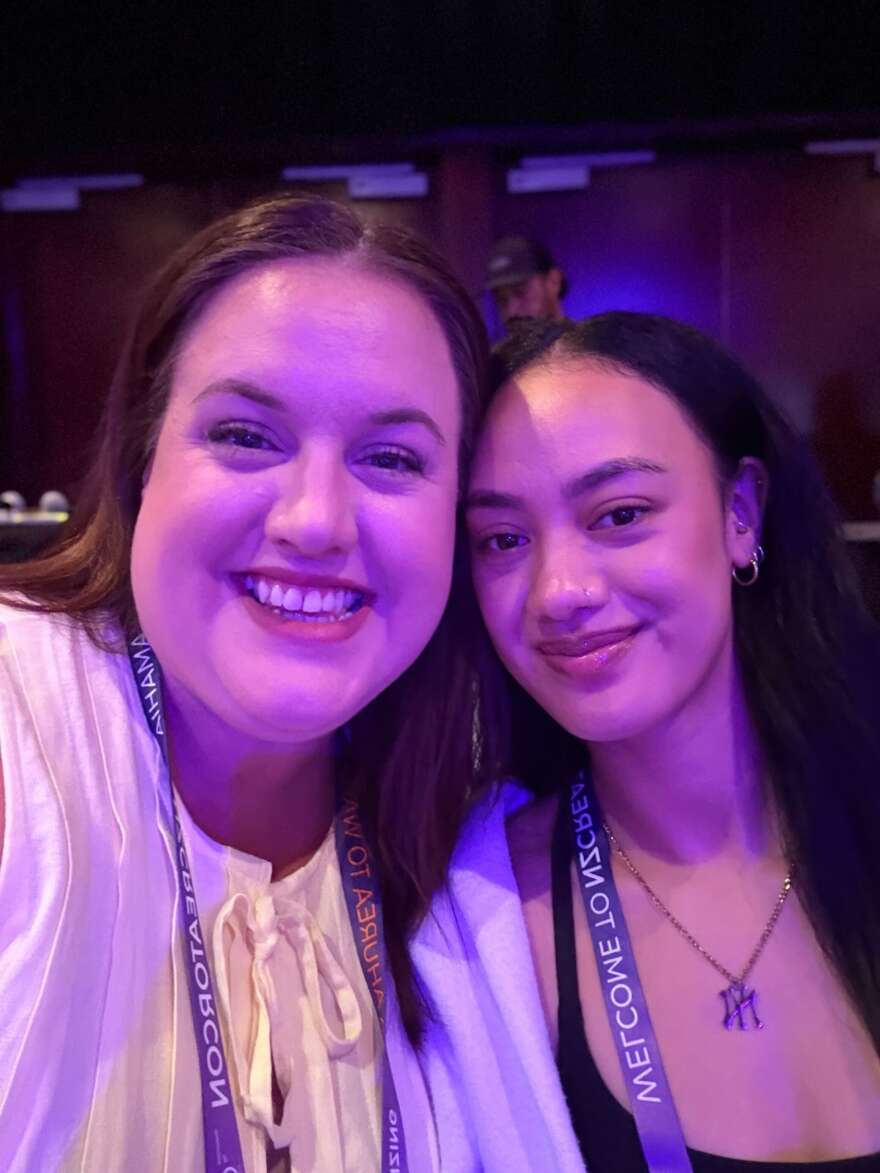
All is for All at CreatorCon
Our team helped some creators attend CreatorCon.